
Stainless-steel instrumentation tubing is essential in industries such as oil & gas, petrochemicals, desalination plants, and pharmaceuticals where corrosion can damage equipment and compromise safety. Its strength, durability, and chemical resistance make it a preferred choice for harsh environments.
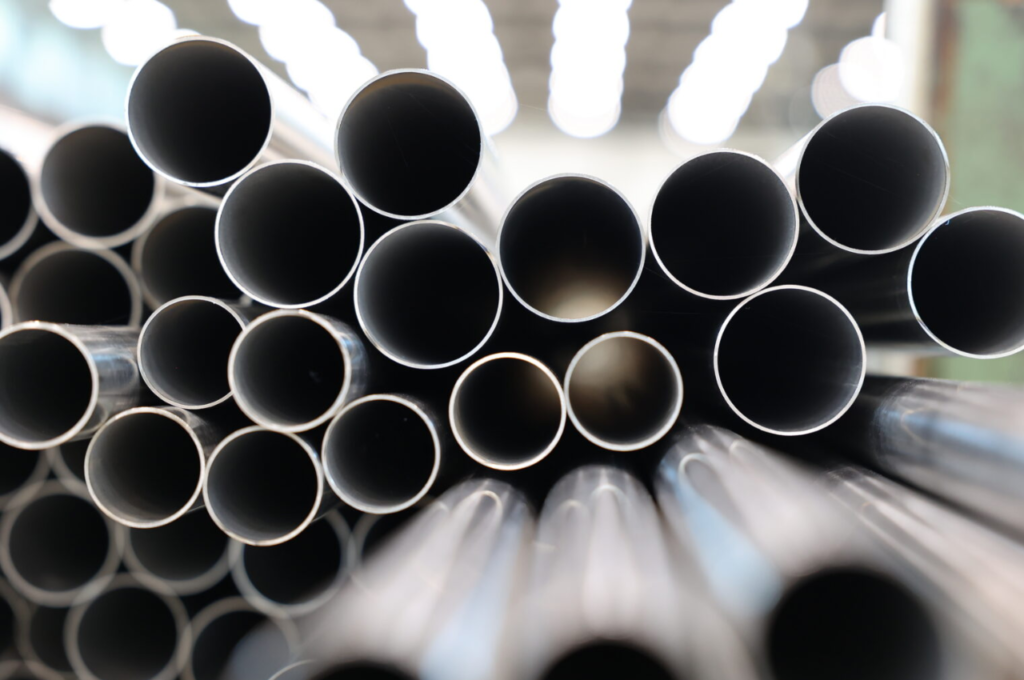
Grades like 316/316L provide outstanding protection against chloride-induced corrosion, acidic fluids, and moisture. This makes stainless steel ideal for offshore platforms, chemical plants, and marine zones where exposure to corrosive elements is unavoidable.
Stainless-steel tubing maintains structural integrity despite high internal pressure and external mechanical stress. It withstands vibration, sudden pressure spikes, and temperature swings, reducing system failures and maintenance downtime.
In environments with rapid heating and cooling cycles, stainless steel remains stable. It resists thermal expansion damage, scaling, and brittleness, ensuring consistent flow and pressure control in demanding conditions.
The smooth internal surface of stainless-steel tubing minimizes particle build-up and contamination. This reduces the chances of blockages, extends the lifespan of fittings, and contributes to cost-effective long-term performance.
Stainless steel works with oils, gases, corrosive chemicals, and process fluids without reacting or degrading. This versatility makes it a universal choice for industrial instrumentation systems.
Stainless-steel instrumentation tubing remains the most dependable choice for corrosive and demanding industrial environments. Its combination of corrosion resistance, strength, and long service life makes it an ideal investment for critical applications. By choosing the right grade and ensuring proper installation, industries can achieve higher reliability, lower maintenance costs, and improved overall performance.
Leading manufacturer of instrumentation tubes, fittings, valves, manifolds, and accessories. ISO 9001:2015 certified, supplying global industries across the Middle East, India, and beyond.
Designed by SignOwn Technologies.
Leading manufacturer of instrumentation tubes, fittings, valves, manifolds, and accessories. ISO 9001:2015 certified, supplying global industries across the Middle East, India, and beyond.
Designed by SignOwn Technologies.