
Instrumentation piping systems are designed for precision monitoring and control — but failures can occur when components are mismatched, improperly installed, or exposed to harsh conditions. Understanding common issues helps engineers build safer, longer-lasting systems.
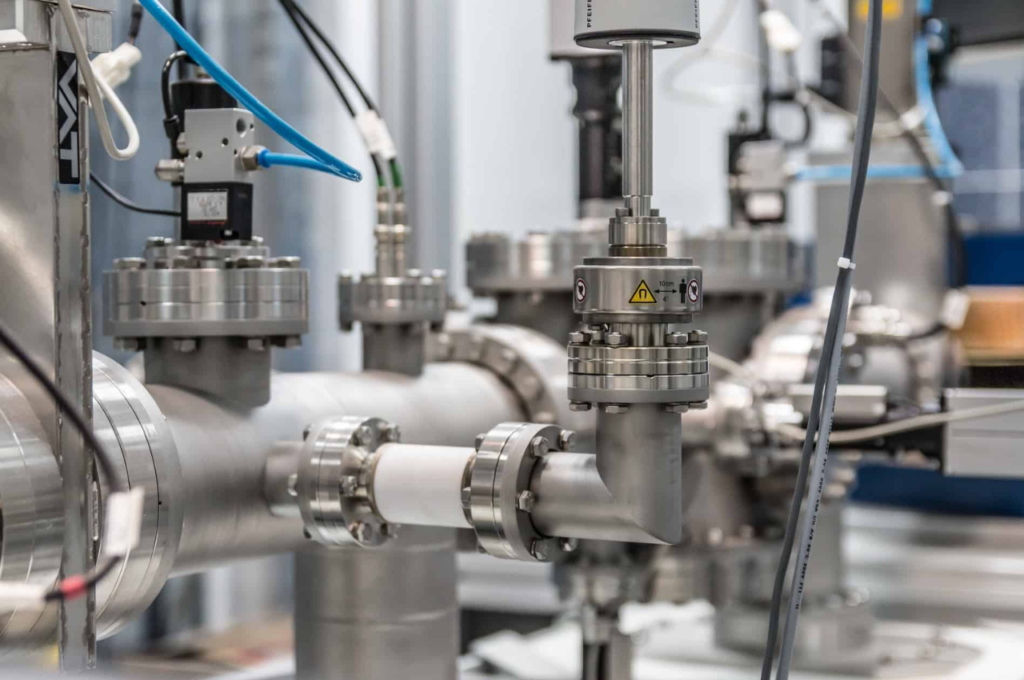
Corrosion is one of the leading causes of tubing and fitting failure. Factors such as chloride presence, chemical exposure, or poor material selection lead to pitting, crevice corrosion, and cracks. Using corrosion-resistant alloys and regular inspection helps eliminate these risks.
Incorrect ferrule engagement, lack of proper tightening, and misalignment are frequent causes of leaks. Using trained technicians, following manufacturer installation steps, and using torque tools ensures consistent, leak-free connections.
Continuous vibration can loosen fittings, fatigue the tubing, or cause joint failure. Vibration dampers, clamps, and correct support spacing are essential to protect the piping from unwanted movement.
Using fittings and tubing from different manufacturers creates tolerance mismatches that compromise sealing integrity. For optimal performance, components must be designed and tested to work together as a system.
Instrumentation piping exposed to sudden pressure surges or rapid temperature shifts undergoes significant stress. Components must have appropriate ratings, and systems should include expansion loops or flexible hoses where necessary.
Even high-quality materials eventually degrade. Scheduled inspections, testing, and replacing worn components help prevent downtime and avoid catastrophic failures.
Understanding common instrumentation piping failures is the first step toward preventing them. With the right materials, proper installation, and regular maintenance, industries can greatly reduce the risk of leaks, downtime, and safety hazards. By building systems with proven components and maintaining them proactively, organizations can ensure continuous, trouble-free operation across all industrial processes.
Leading manufacturer of instrumentation tubes, fittings, valves, manifolds, and accessories. ISO 9001:2015 certified, supplying global industries across the Middle East, India, and beyond.
Designed by SignOwn Technologies.
Leading manufacturer of instrumentation tubes, fittings, valves, manifolds, and accessories. ISO 9001:2015 certified, supplying global industries across the Middle East, India, and beyond.
Designed by SignOwn Technologies.