
Selecting the right instrumentation fittings is critical in high-pressure applications where even minor leaks can cause major safety issues, downtime, or equipment failure. Engineers must evaluate pressure ratings, material compatibility, and system conditions to ensure long-term reliability.
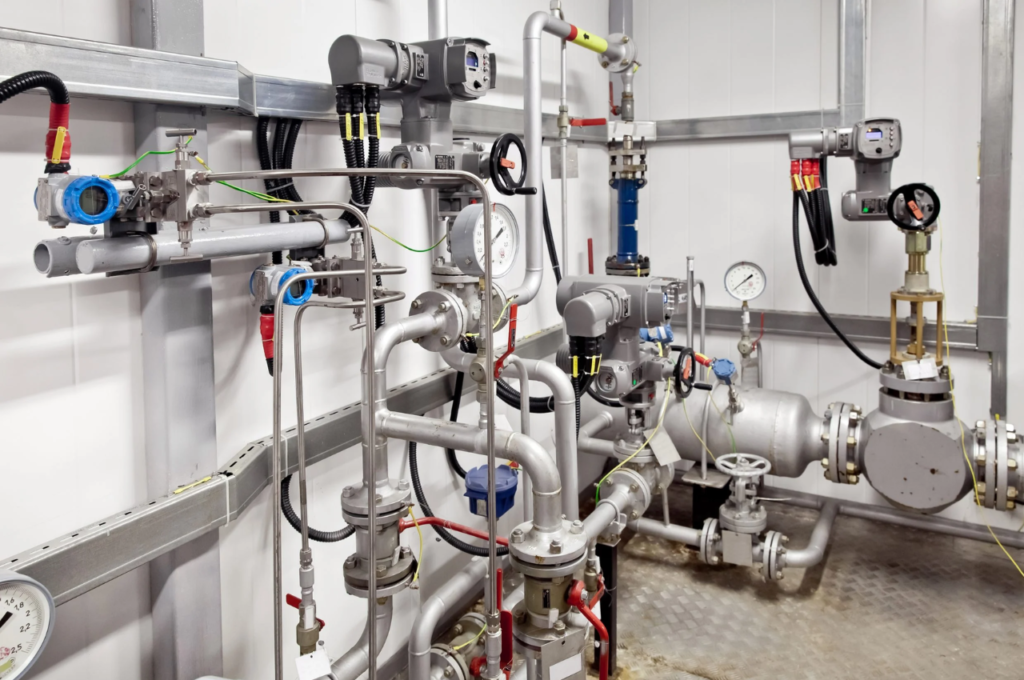
Every fitting is designed for a specific pressure range. High-pressure systems require fittings with verified pressure ratings tested under extreme conditions. Temperature fluctuations also influence performance, as materials expand and contract under heat. Choosing fittings that match both your pressure and temperature parameters ensures safe operation and reduces failure risks.
Material selection directly impacts durability.
316/316L Stainless Steel is the most widely used for high-pressure applications.
Super alloys (Hastelloy, Inconel, Monel) are necessary in environments with strong acids, chlorides, or aggressive chemicals.
Choosing the wrong material can lead to pitting, stress corrosion cracking, and premature failure of the entire system.
Fittings and tubing must be perfectly compatible. Mixing different brands may seem harmless, but micro-tolerance differences can prevent the ferrules from sealing correctly. Always pair fittings and tubing from the same manufacturer to ensure consistent performance.
High-pressure systems often face vibration, shock, moisture, and corrosion. Fittings designed with vibration resistance, strong thread engagement, and corrosion-resistant coatings perform better in harsh environments. Proper support spacing and installation also extend system life.
Even the best fittings fail when installed incorrectly. Under-tightening, over-tightening, or improper ferrule engagement are common causes of leaks. Following manufacturer guidelines, using proper tools, and training technicians minimizes installation-related failures.
Choosing the right instrumentation fittings is essential for building a safe, efficient, and long-lasting high-pressure system. By selecting the correct materials, ensuring compatibility, considering environmental conditions, and following proper installation practices, industries can significantly reduce failures and operational risks. A well-designed fitting strategy not only improves safety but also enhances system performance and reliability.
Leading manufacturer of instrumentation tubes, fittings, valves, manifolds, and accessories. ISO 9001:2015 certified, supplying global industries across the Middle East, India, and beyond.
Designed by SignOwn Technologies.
Leading manufacturer of instrumentation tubes, fittings, valves, manifolds, and accessories. ISO 9001:2015 certified, supplying global industries across the Middle East, India, and beyond.
Designed by SignOwn Technologies.